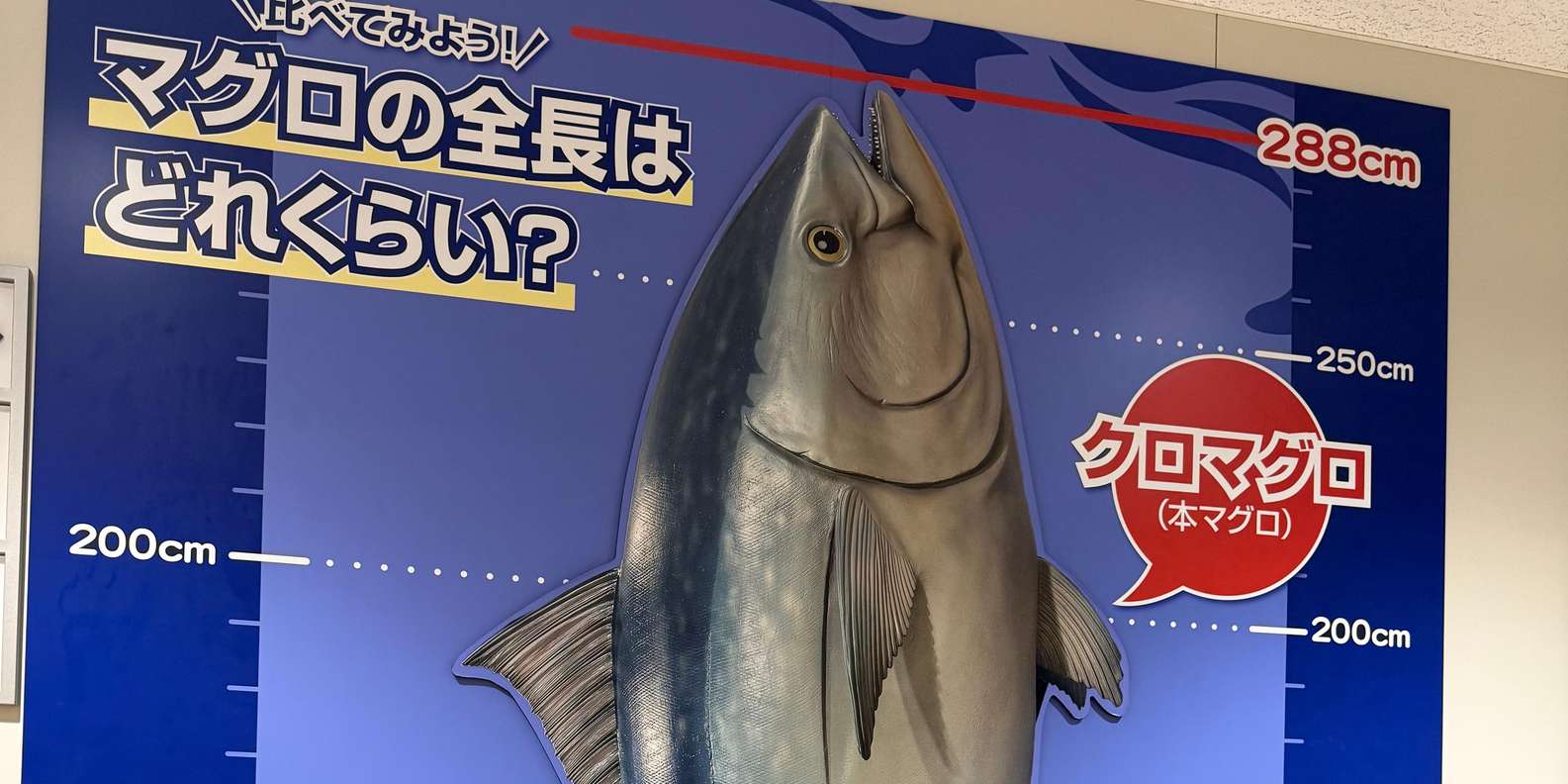
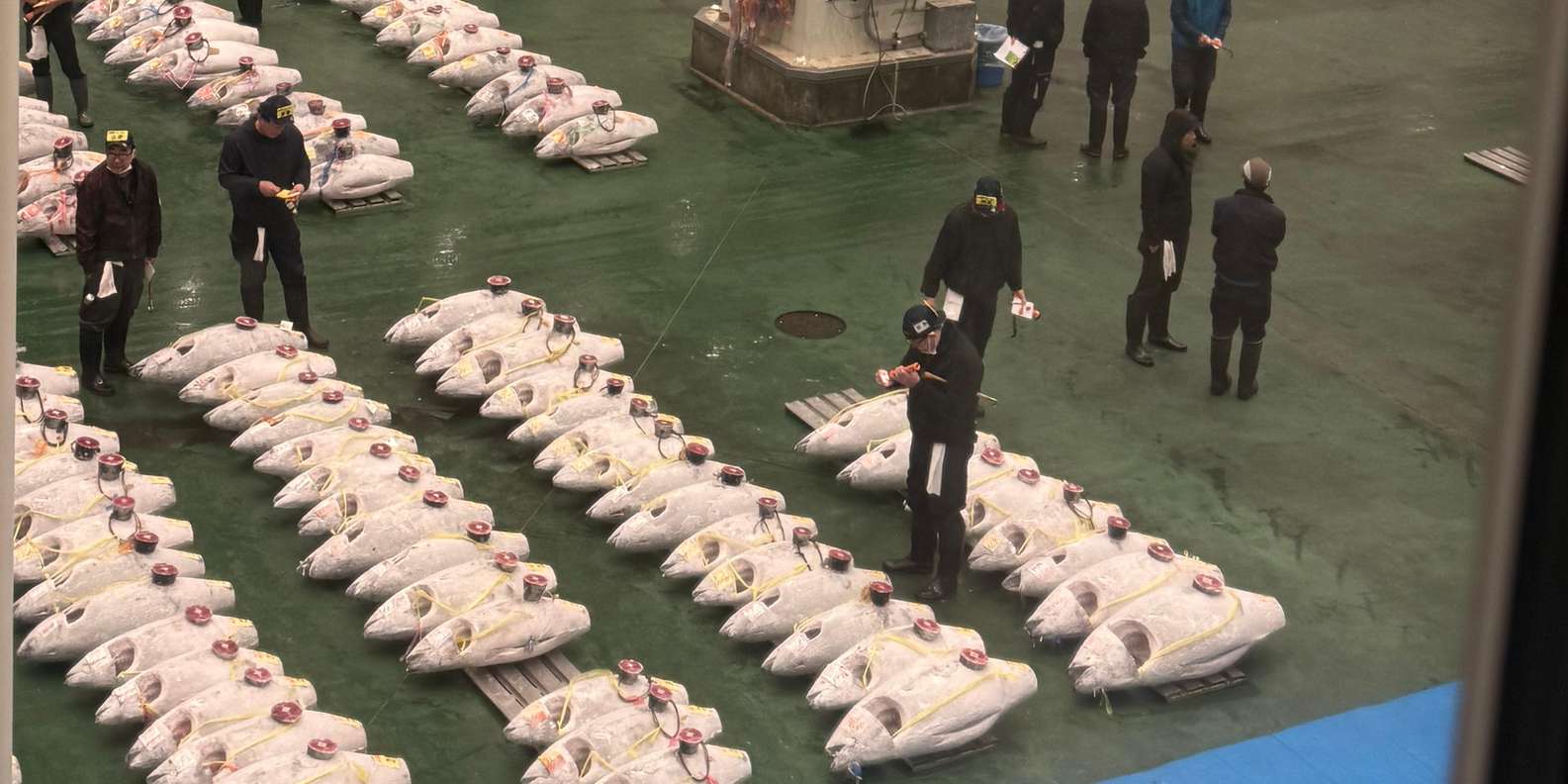
Most people searching for a Toyosu fish market tour are really asking one of two questions: can I still see the famous tuna auction, and do I have to pay someone to let me in.
The answers are yes, and no.
Can tourists go to Toyosu Fish Market?
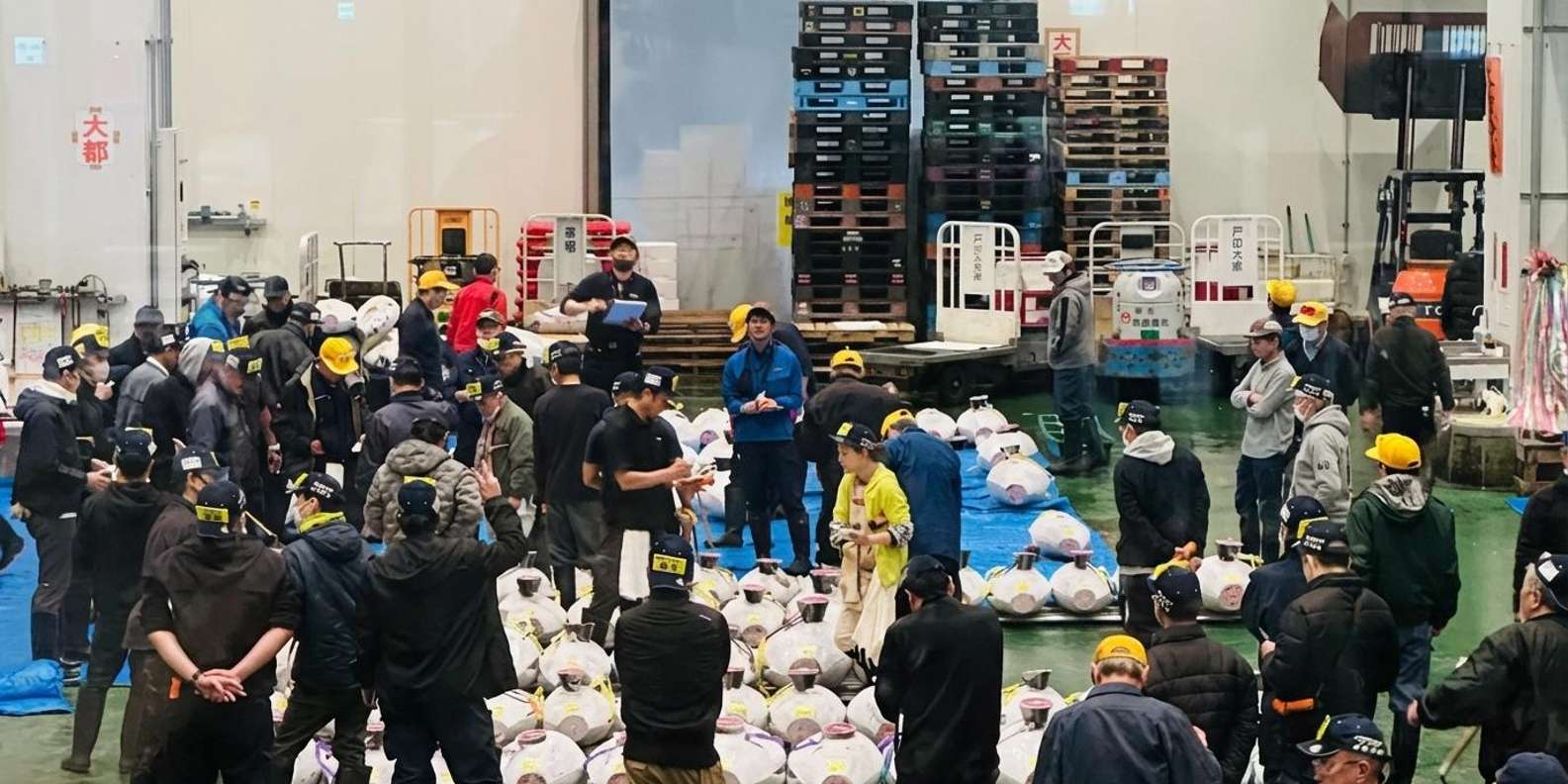
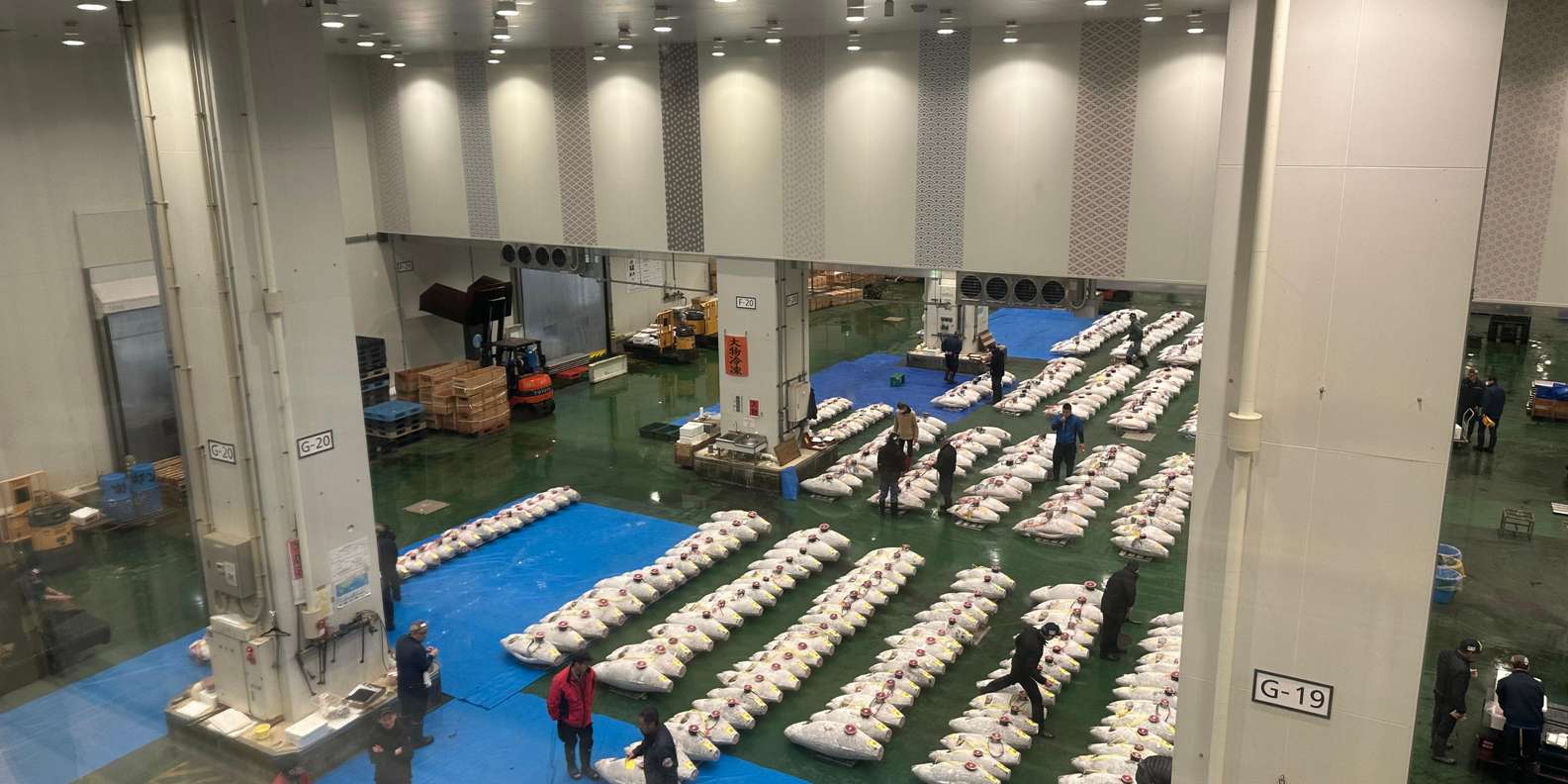
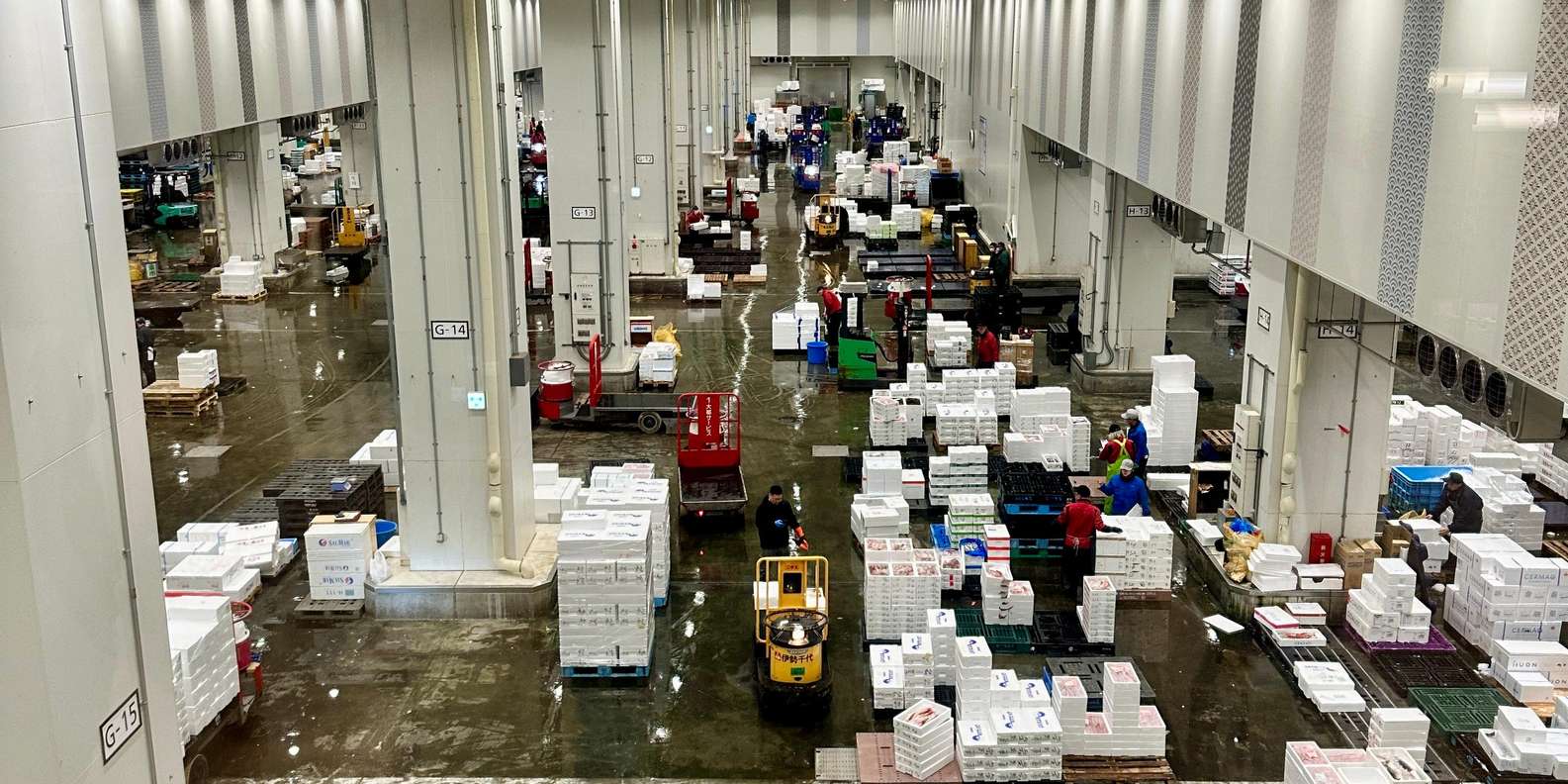
Yes, and more easily than most listings imply. When the wholesale market moved here from Tsukiji in October 2018, Tokyo built the public into the design — Toyosu has dedicated visitor corridors running above the working floors, so you are never in the way of a forklift.
There are two ways to watch the tuna auction, and the important one is free:
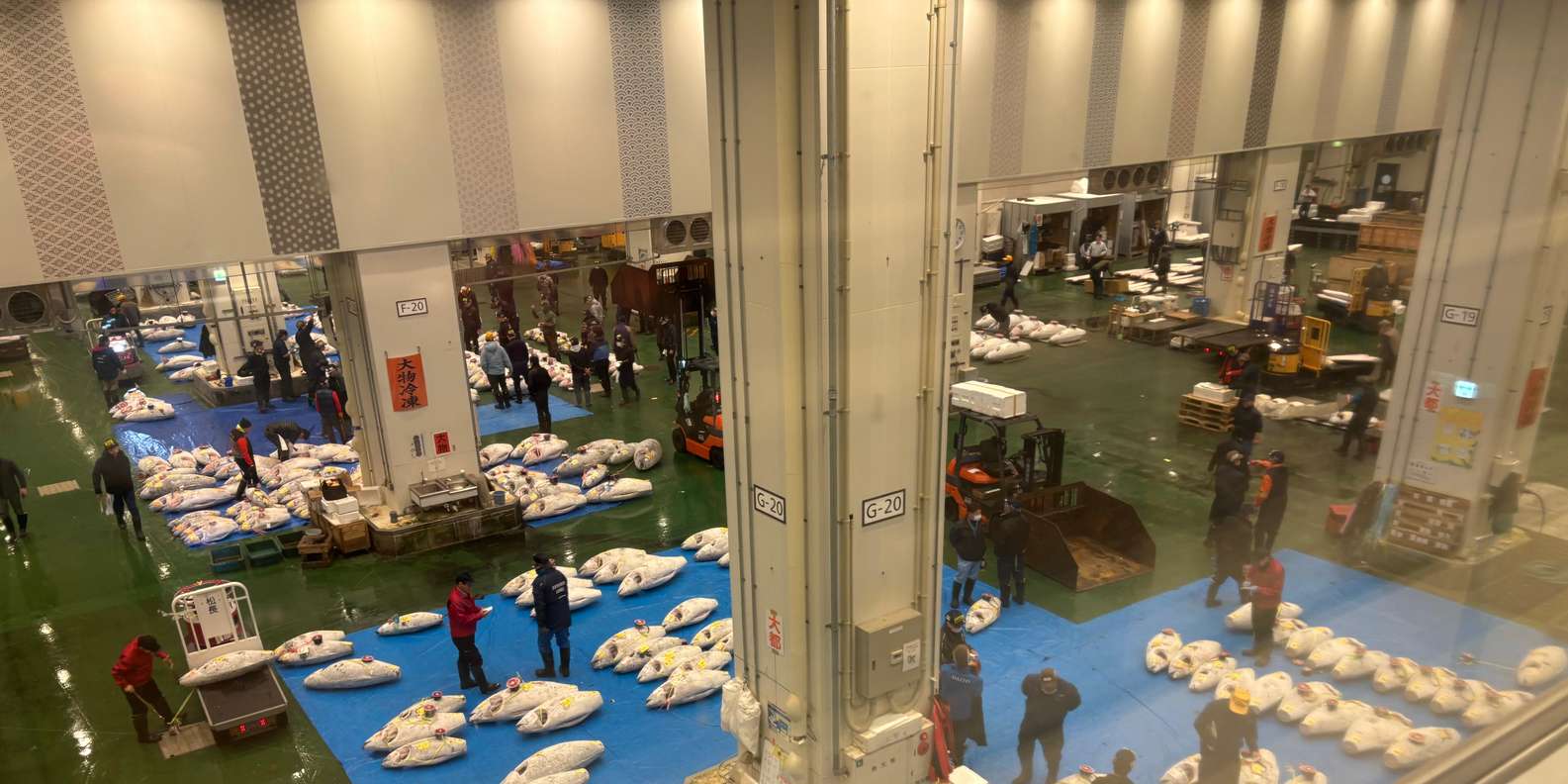
- The upper observation gallery opens at 5:00am, takes no reservation and costs nothing. You watch through sealed glass one level above the floor, with the audio piped through speakers.
- The lower deck, which puts you much closer, requires winning a monthly online lottery run by the Tokyo Metropolitan Government — around 100 places a day, applications open for roughly a week for the following month, up to five people per application.
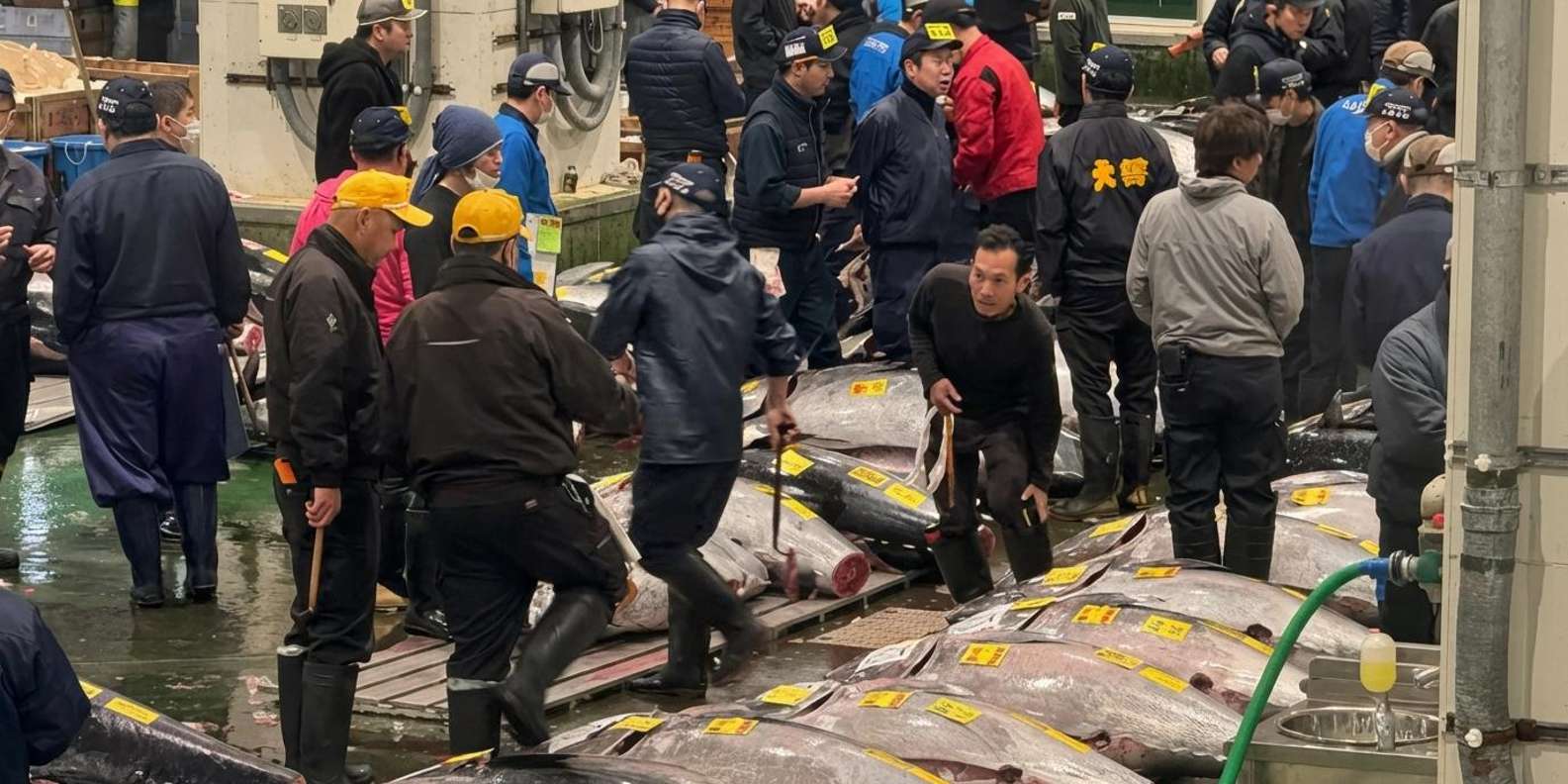
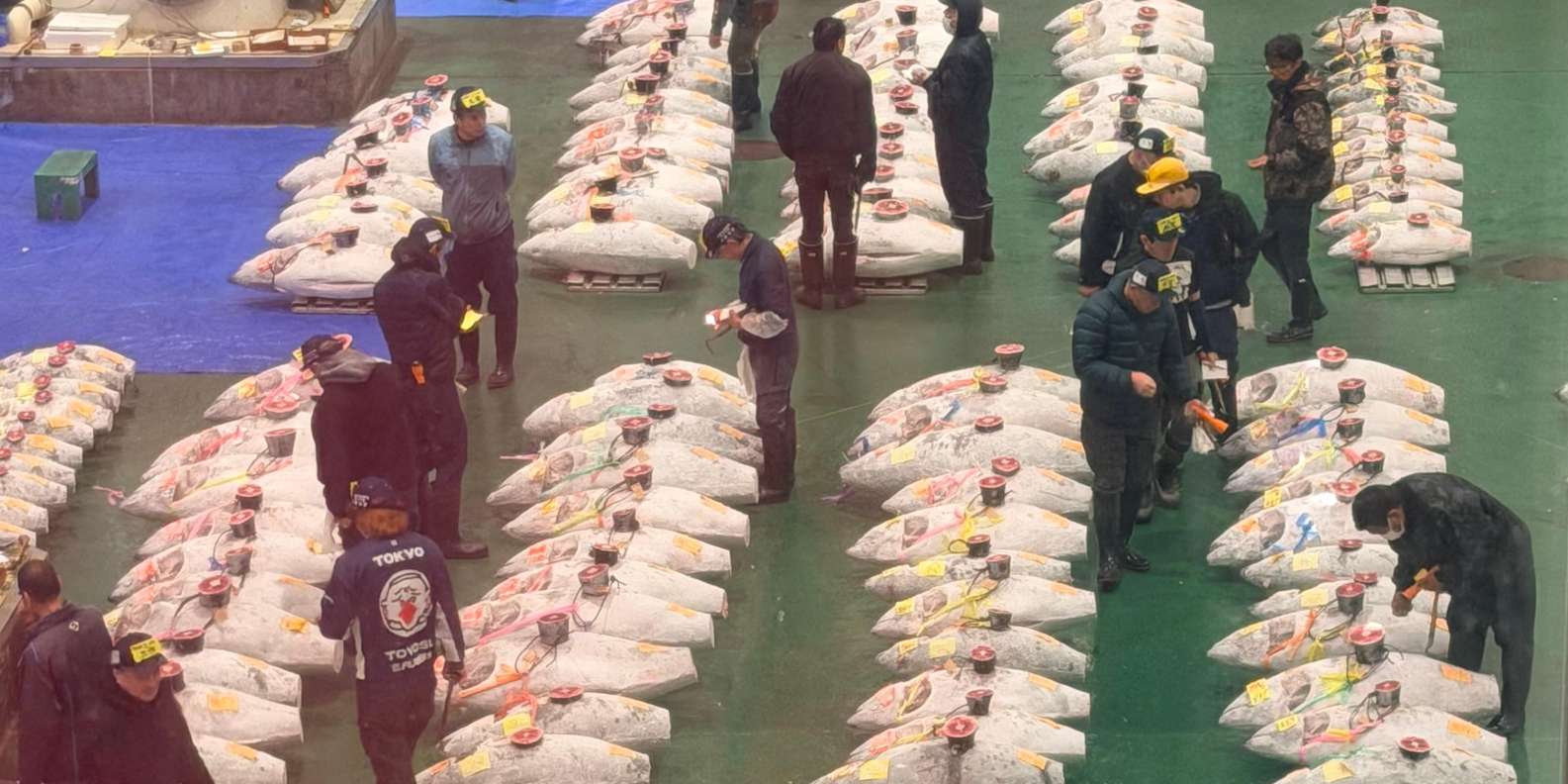
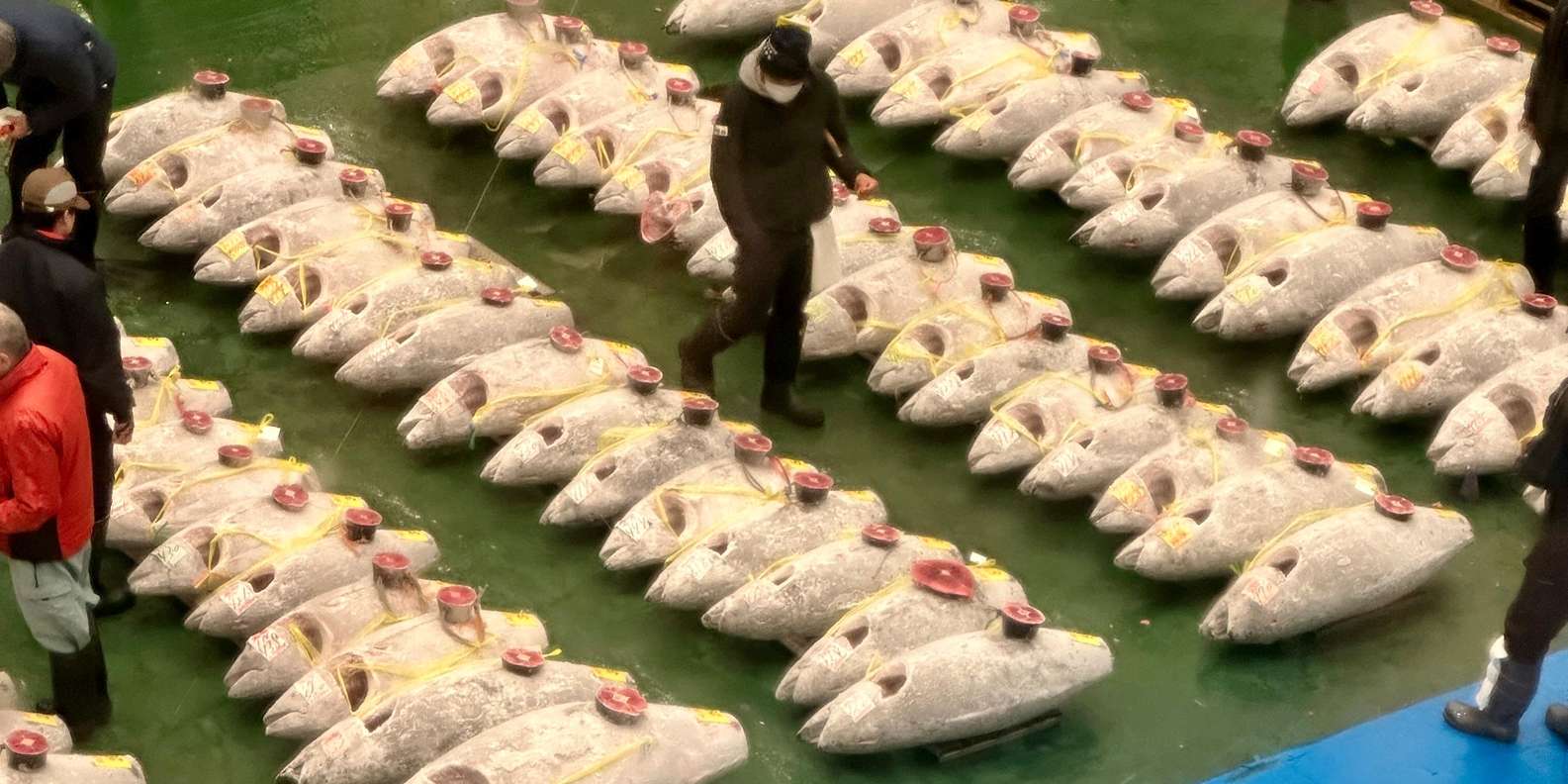
The auction itself runs about 5:30am to 6:30am, Monday to Saturday on market business days.
Say that plainly, because it changes what you should be willing to pay for: nobody can sell you access to the tuna auction. The free gallery is free, and the lottery is not resellable by anyone.
So what is a Toyosu fish market tour actually for?
Three things, all of them real:
The hour. The auction peaks around 5:30am. Tokyo’s trains are not meaningfully running yet, and Toyosu is on the Yurikamome line out in Koto City, not somewhere you stumble to. Getting there is genuinely the hard part, and a tour solves it.
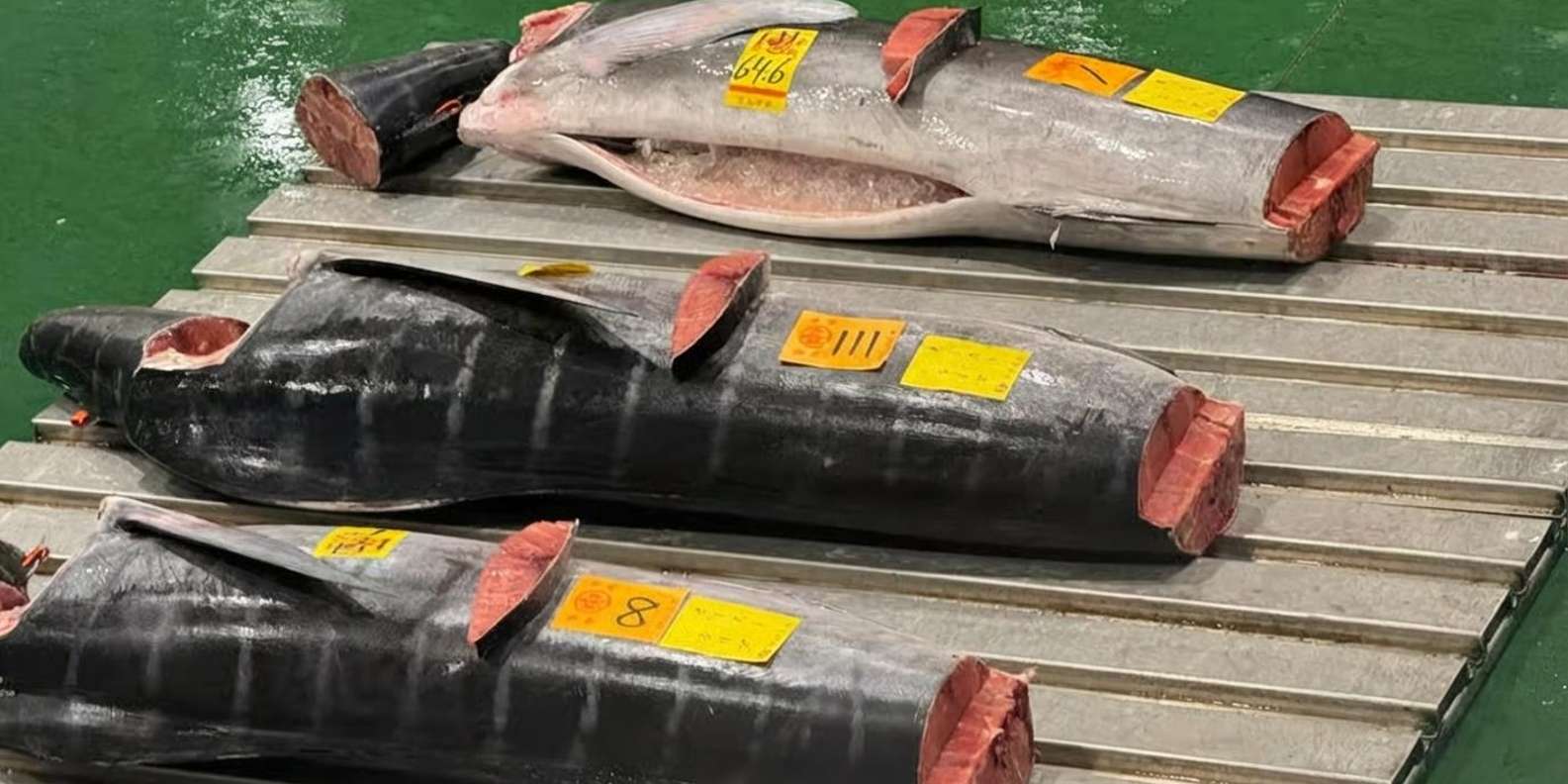
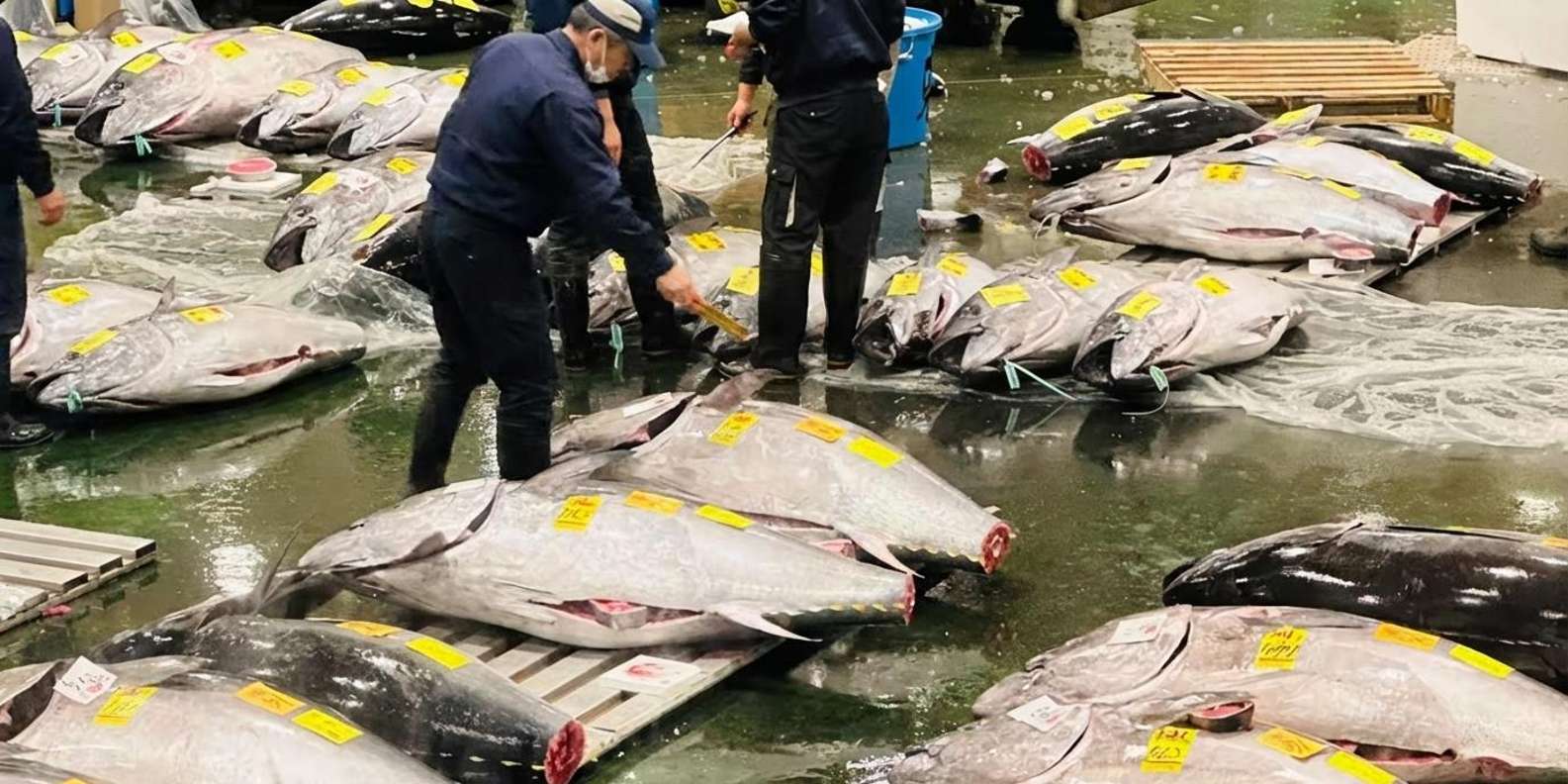
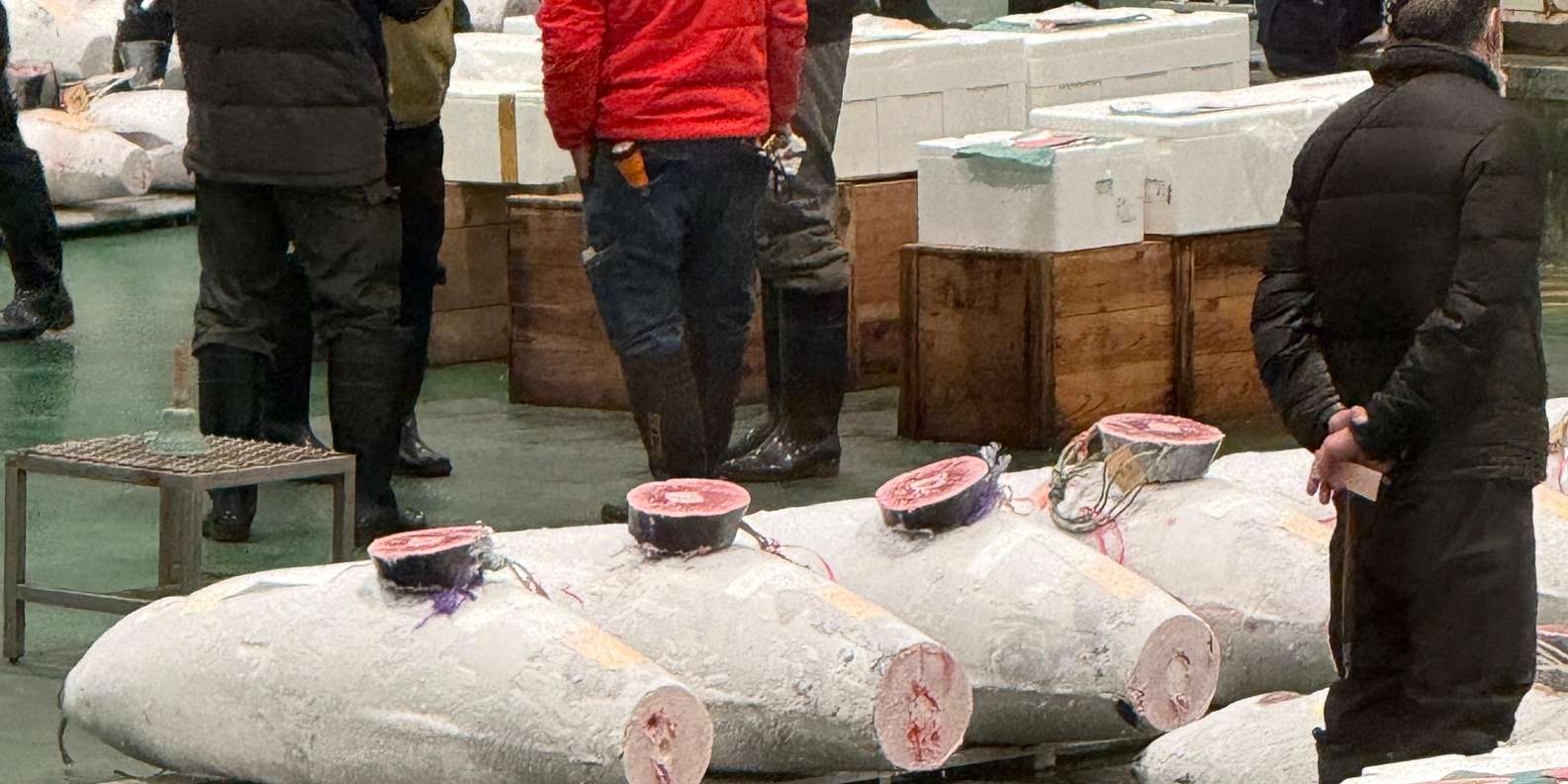
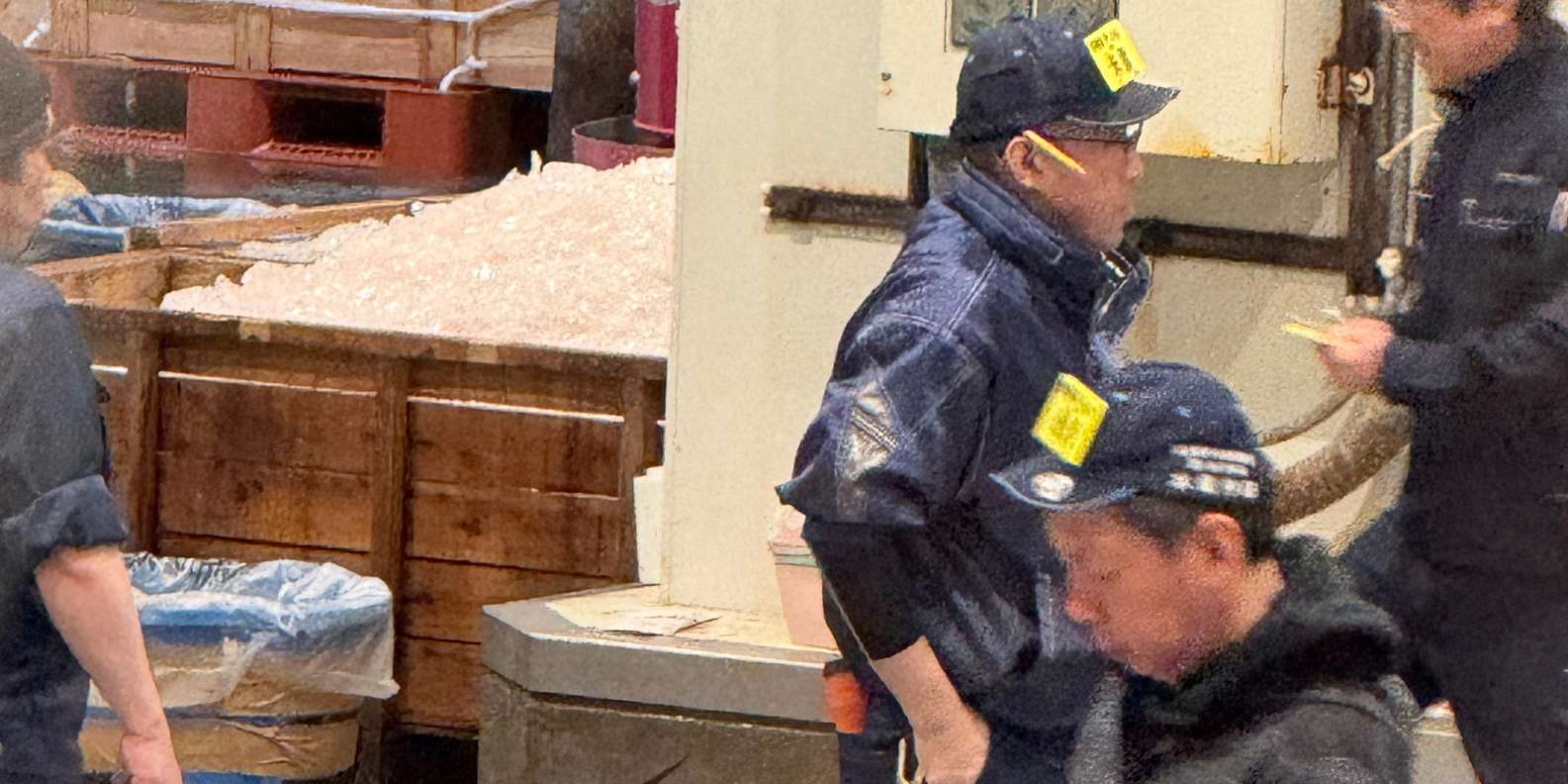
The interpretation. You are watching a fast, shouted, jargon-heavy trade through glass, in Japanese, with no commentary. Without someone explaining what the buyers are doing with those torches and hooks — checking the tail cut for fat content and colour, which is how a fish is graded — it is an impressive but opaque ten minutes.
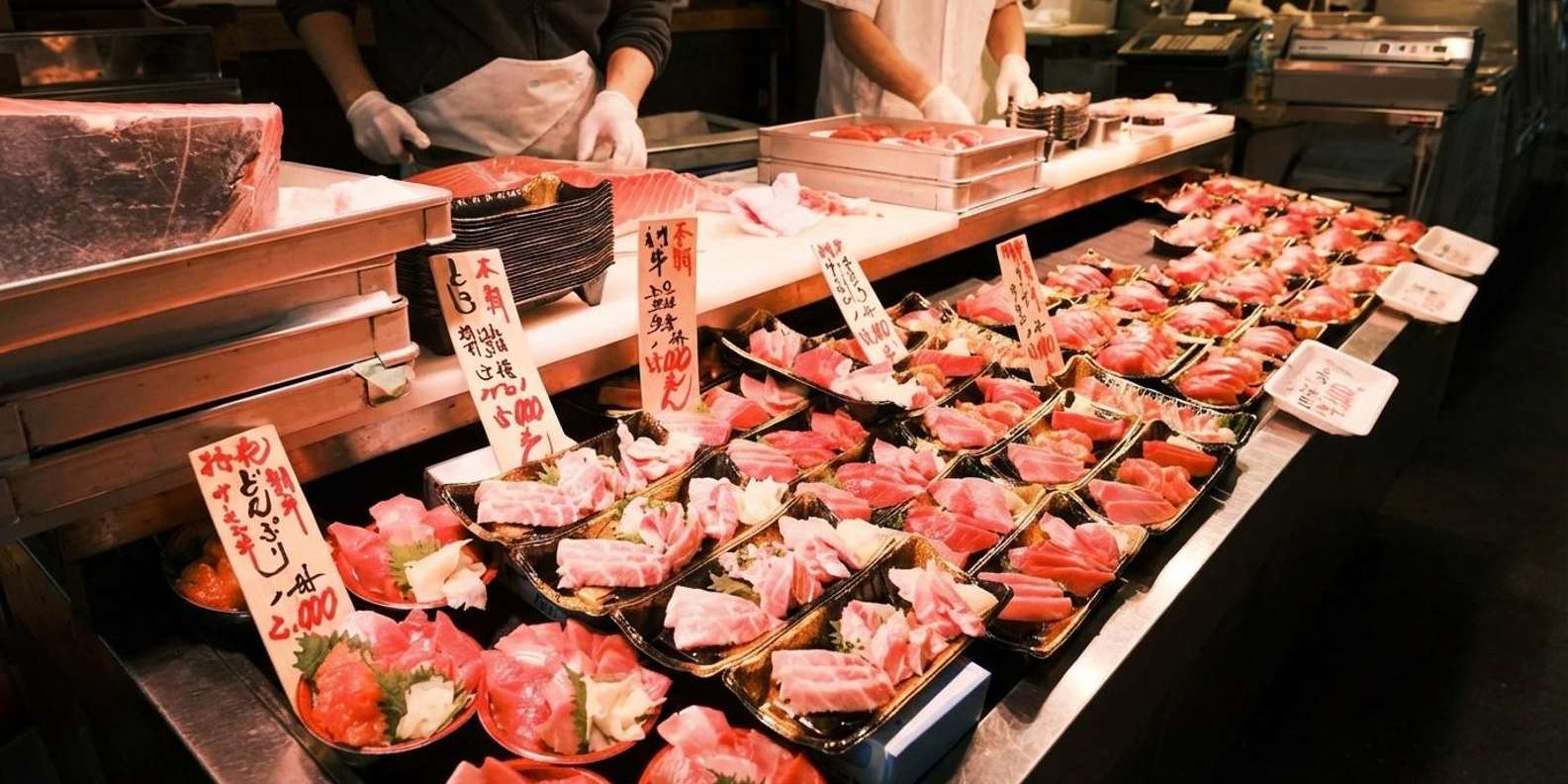
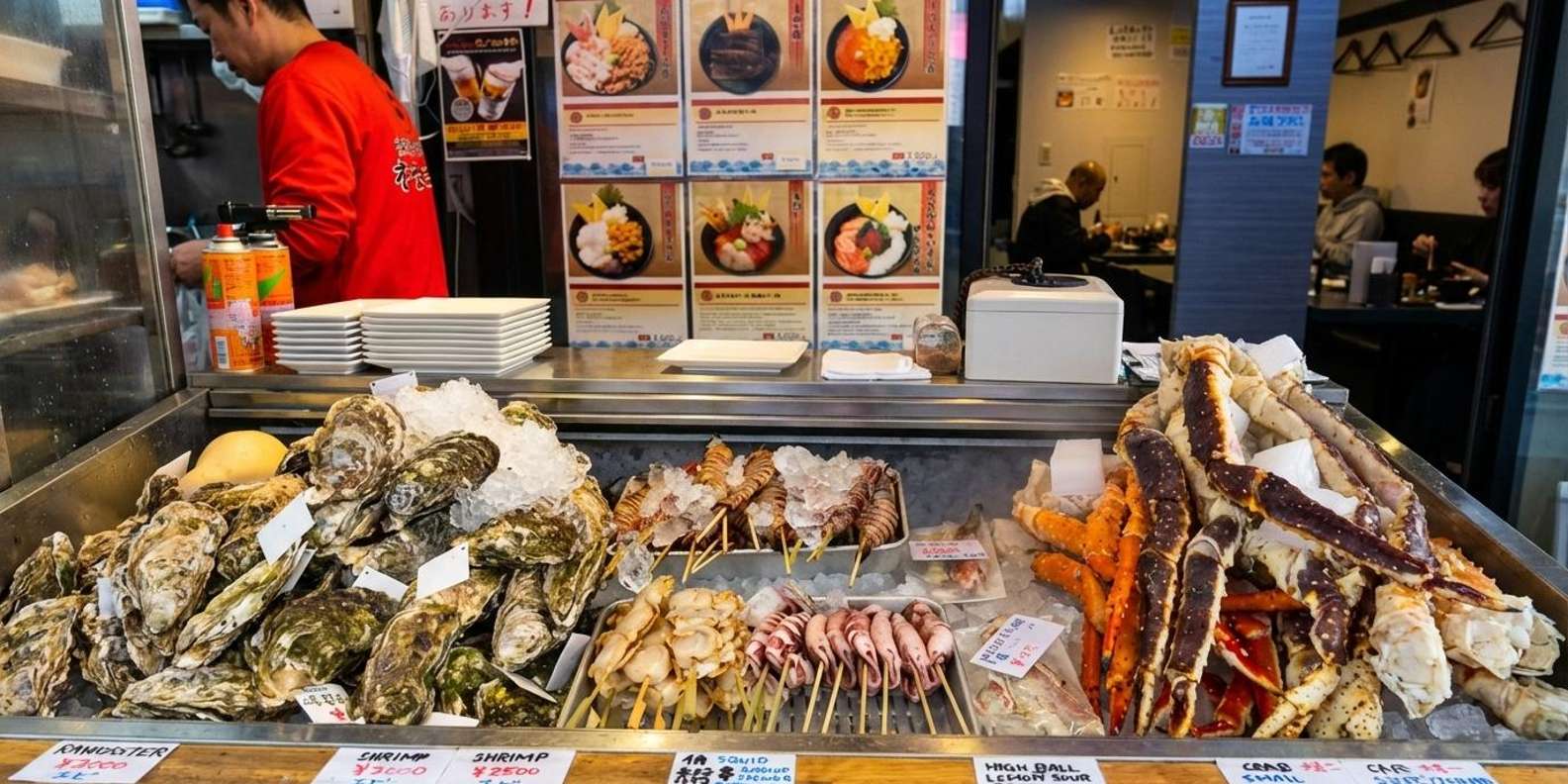
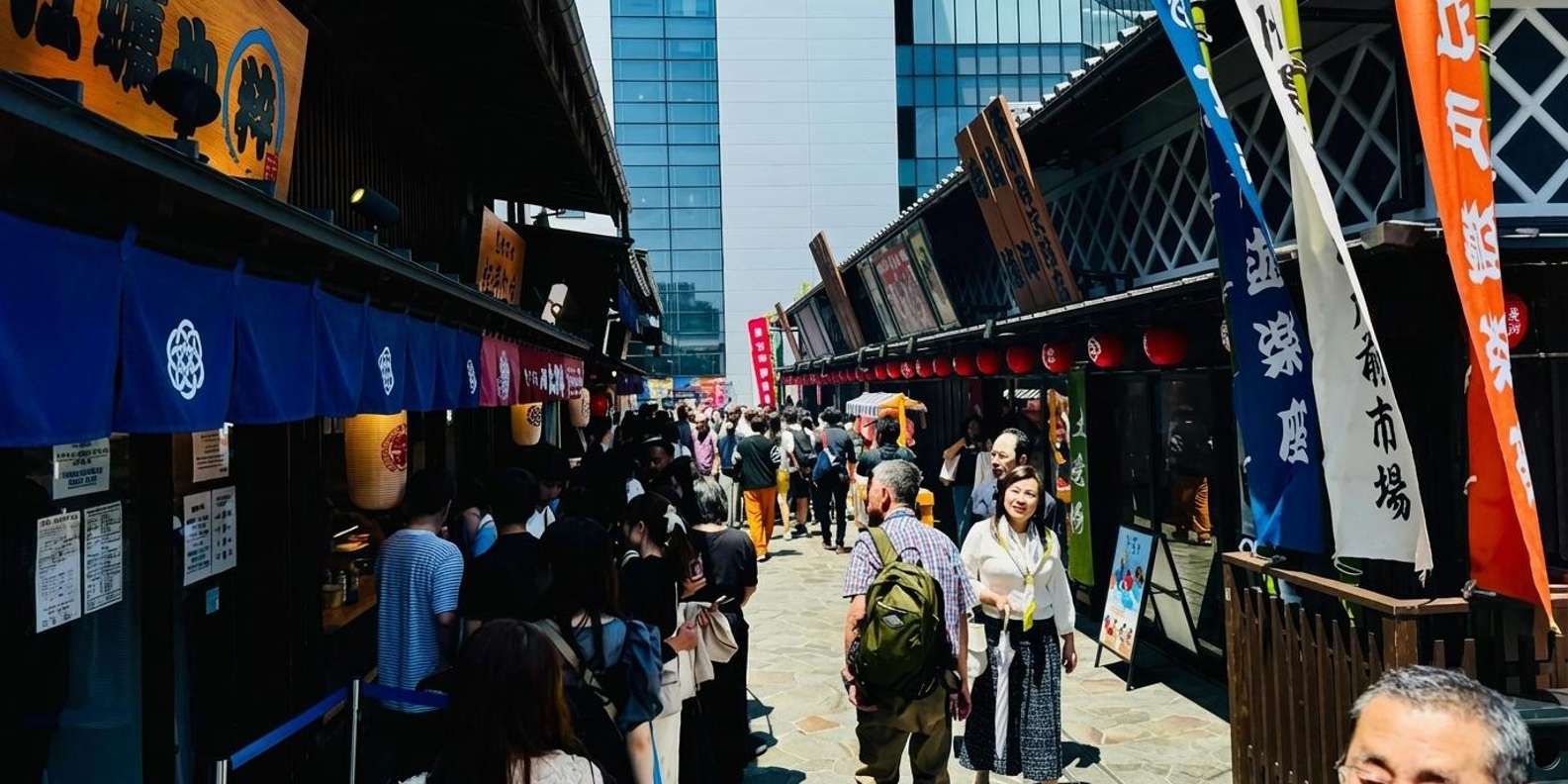
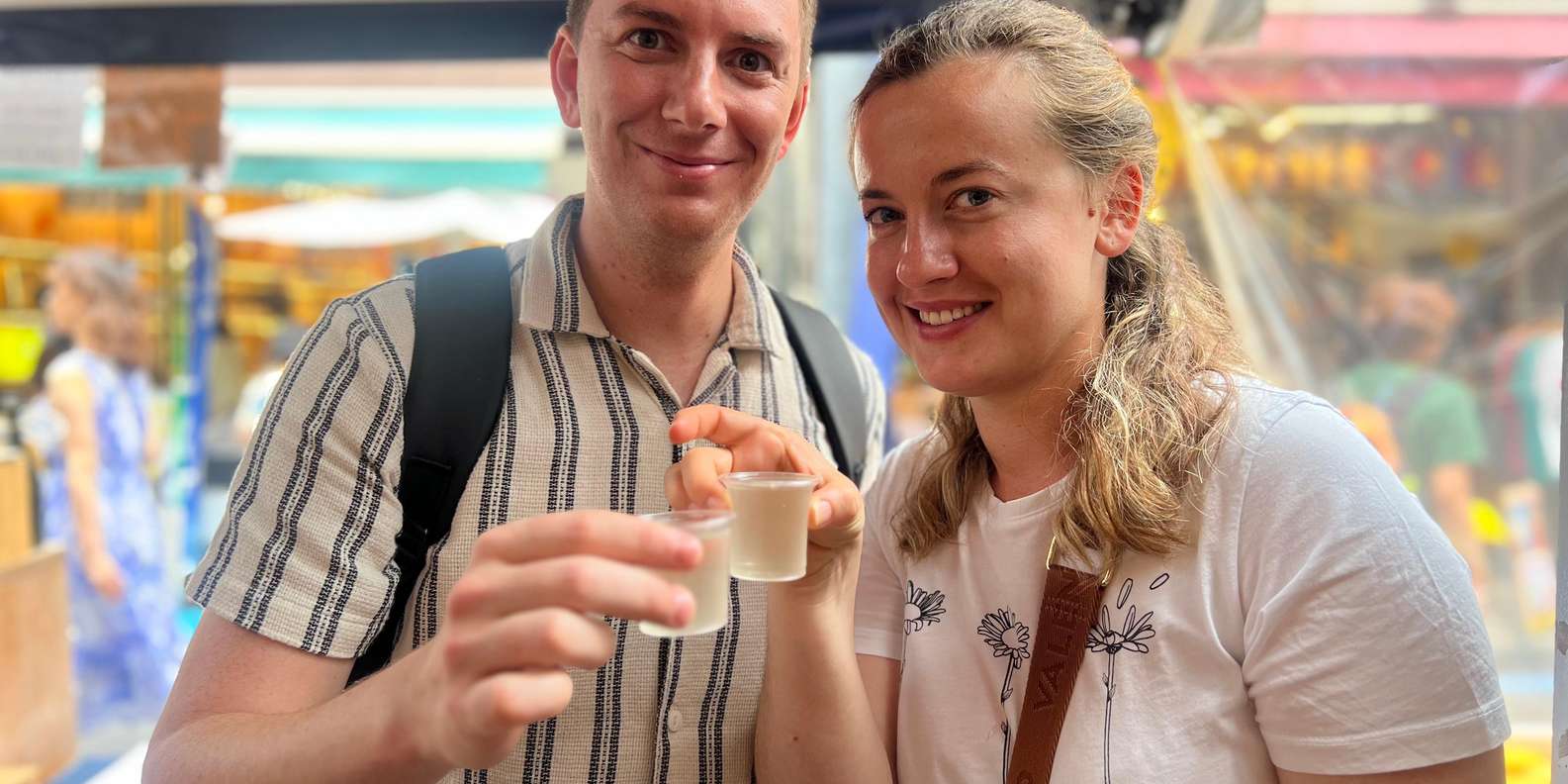
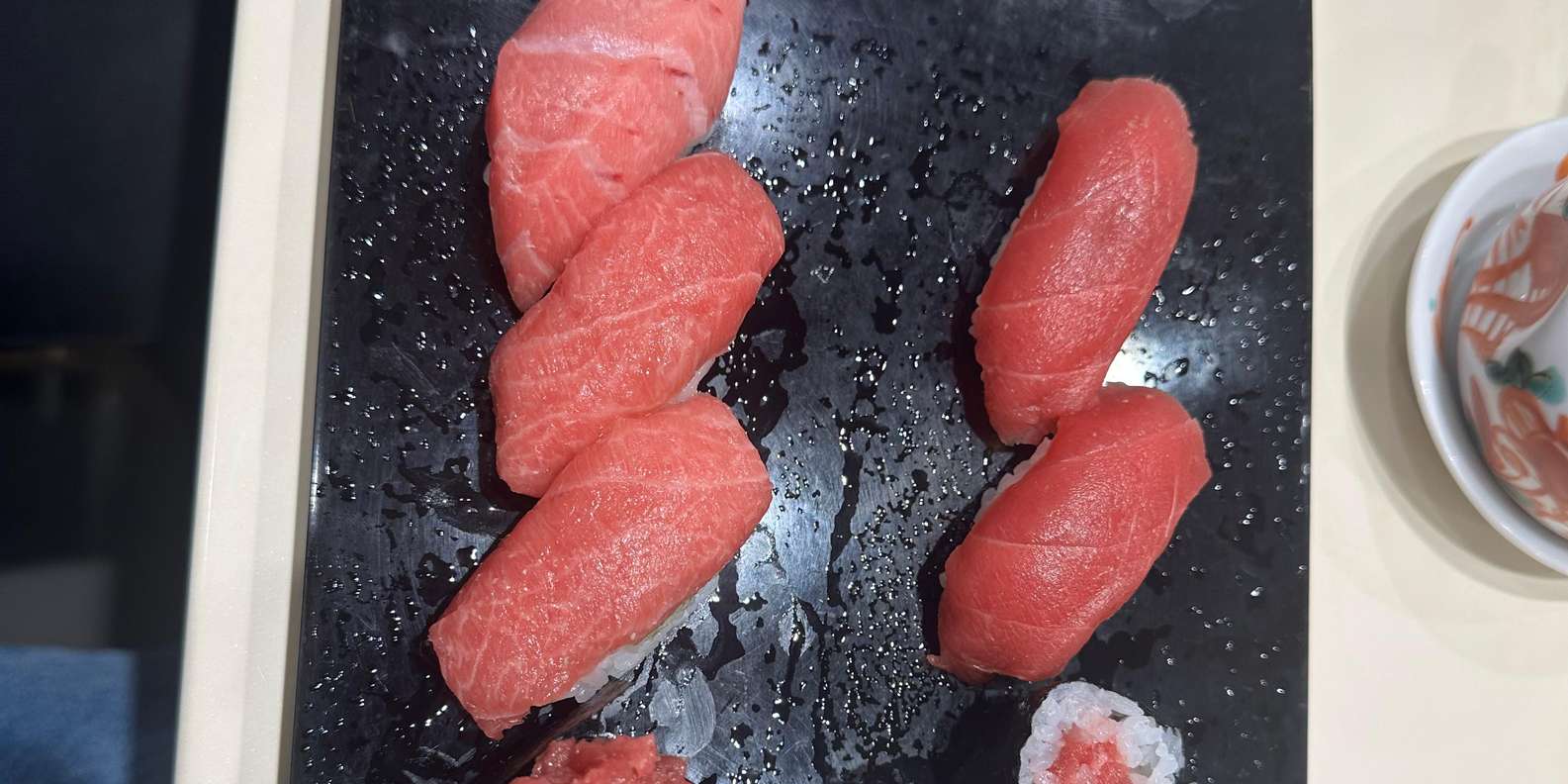
The breakfast. This is the part people underrate. The best of these tours pair Toyosu with the Tsukiji outer market, which never moved and is still trading with something like 460 stalls. You watch fish being sold at wholesale, then walk across and eat it. That contrast is the actual product.
Which is better, Toyosu or Tsukiji?
They are not competitors any more; they are two halves of what used to be one place.
Toyosu is the working wholesale market — the auction, the scale, the spectacle. It is modern, clean, and you experience it from designated walkways above the action. It demands a 4am start.
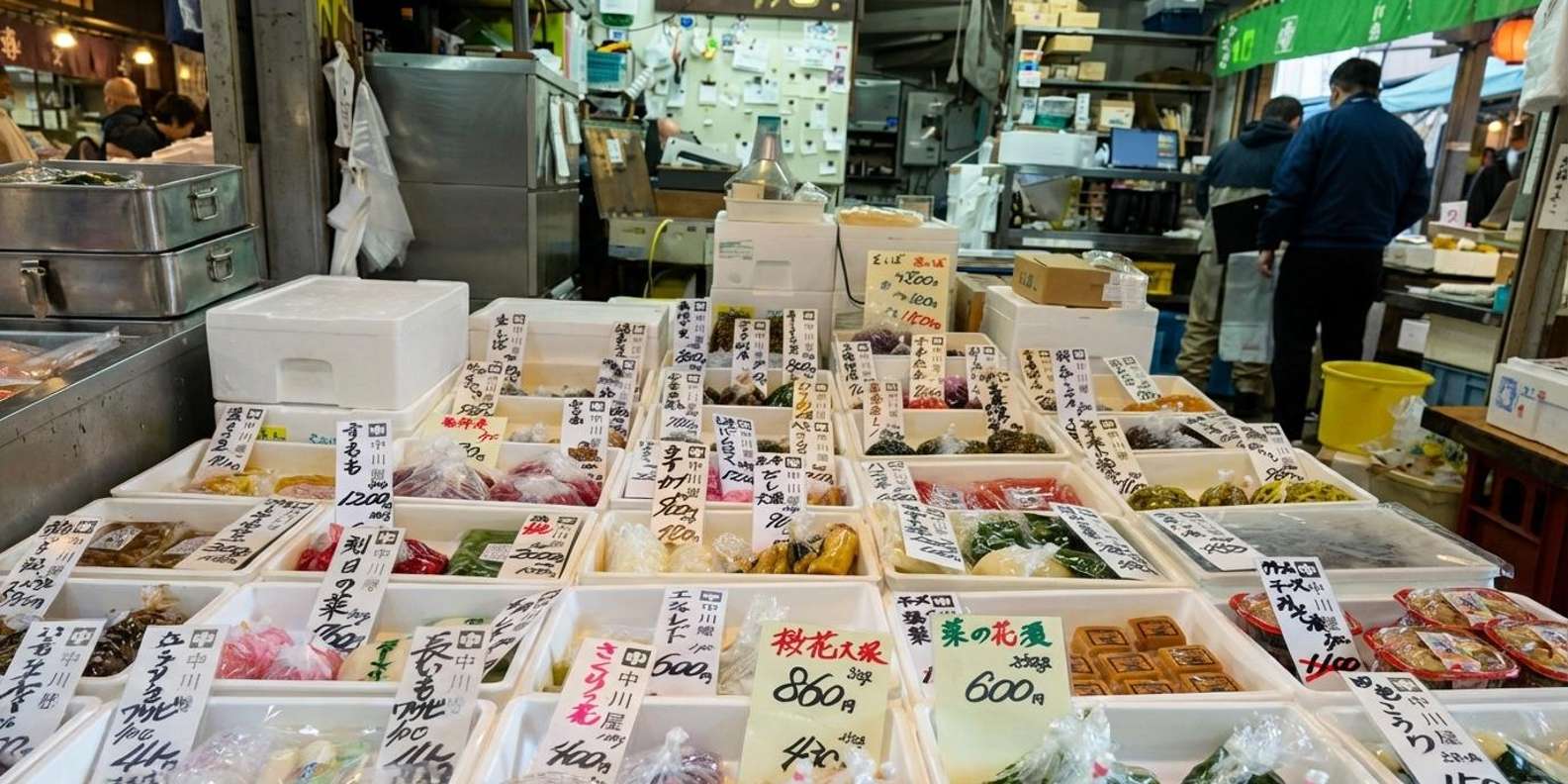
Tsukiji is the retail food street that stayed behind — stalls, tamagoyaki, knife shops, dried bonito, breakfast sushi. Civilised hours, walkable, and you can touch things.
If you only do one and you like eating more than watching, do Tsukiji and sleep in. If you came to Tokyo specifically for the fish auction, do Toyosu. If you want the whole story, do both in one morning — which is exactly what this tour is.
Is it worth going to Toyosu Market?
Worth it if you understand you are visiting a working wholesale facility rather than a market you browse. Several visitors come expecting Tsukiji-style stalls and find a large modern building with viewing windows. That mismatch, not the market itself, is what produces disappointed reviews.
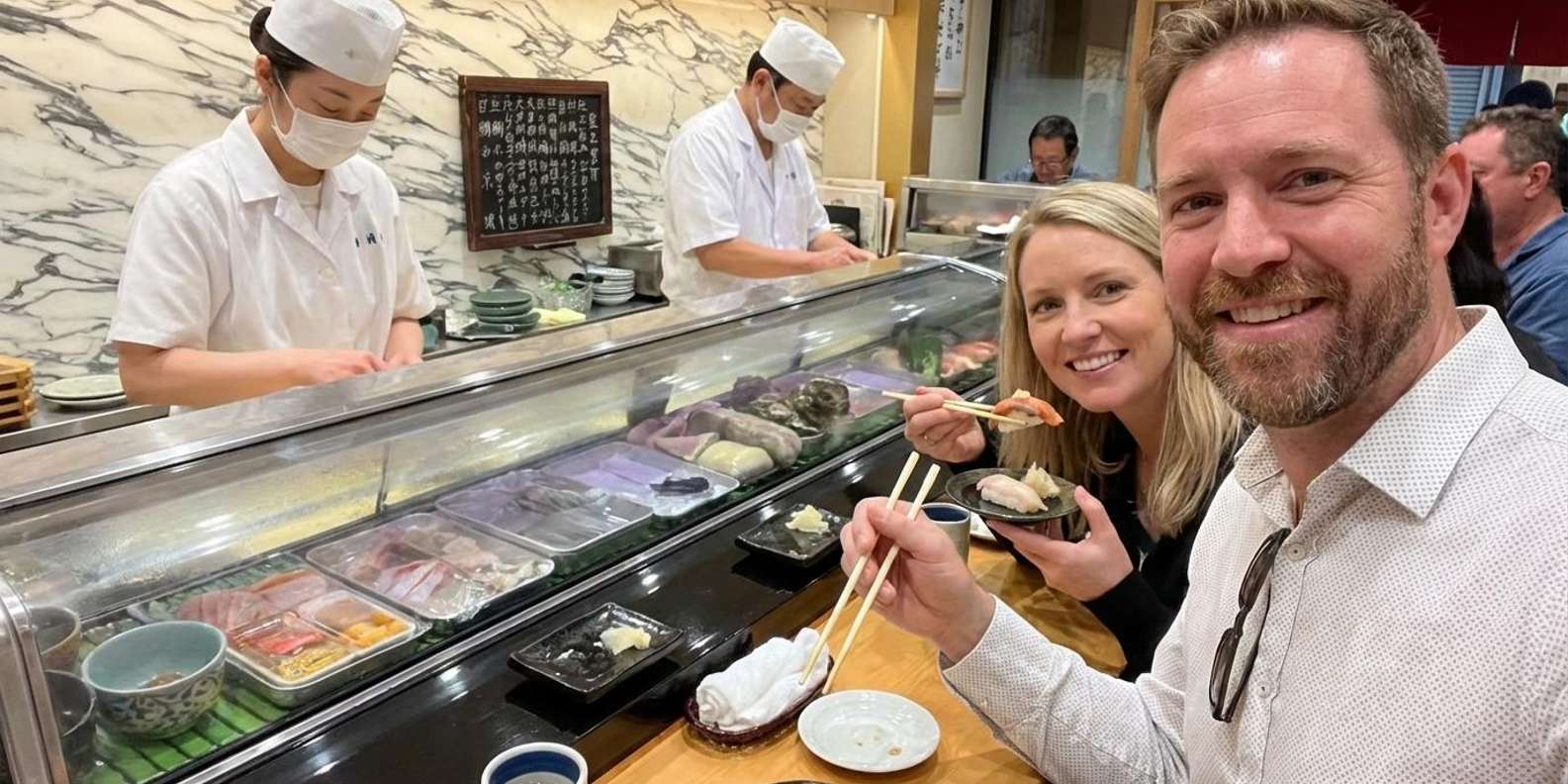
There is also a genuinely excellent reason to go that has nothing to do with the auction: the restaurants inside Toyosu are supplied directly off the floor below them, and some of the Tsukiji-era sushi counters relocated here with the market. Breakfast sushi at 6am, at a counter, from fish that was auctioned that morning, is not a tourist gimmick.
Where was the $3 million dollar tuna caught?
Ōma, in Aomori Prefecture — the northern tip of Honshu, and the most prestigious bluefin ground in Japan.
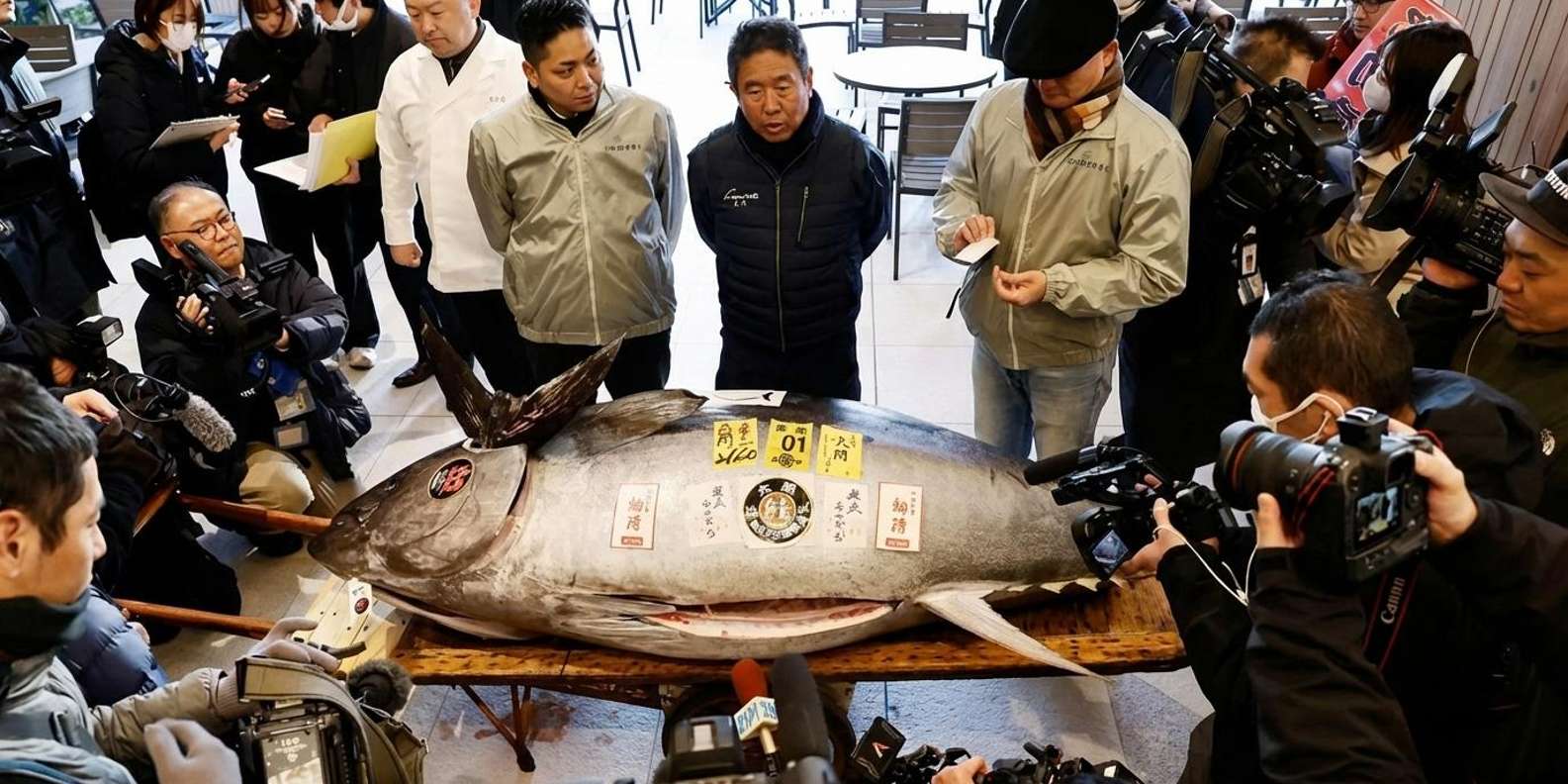
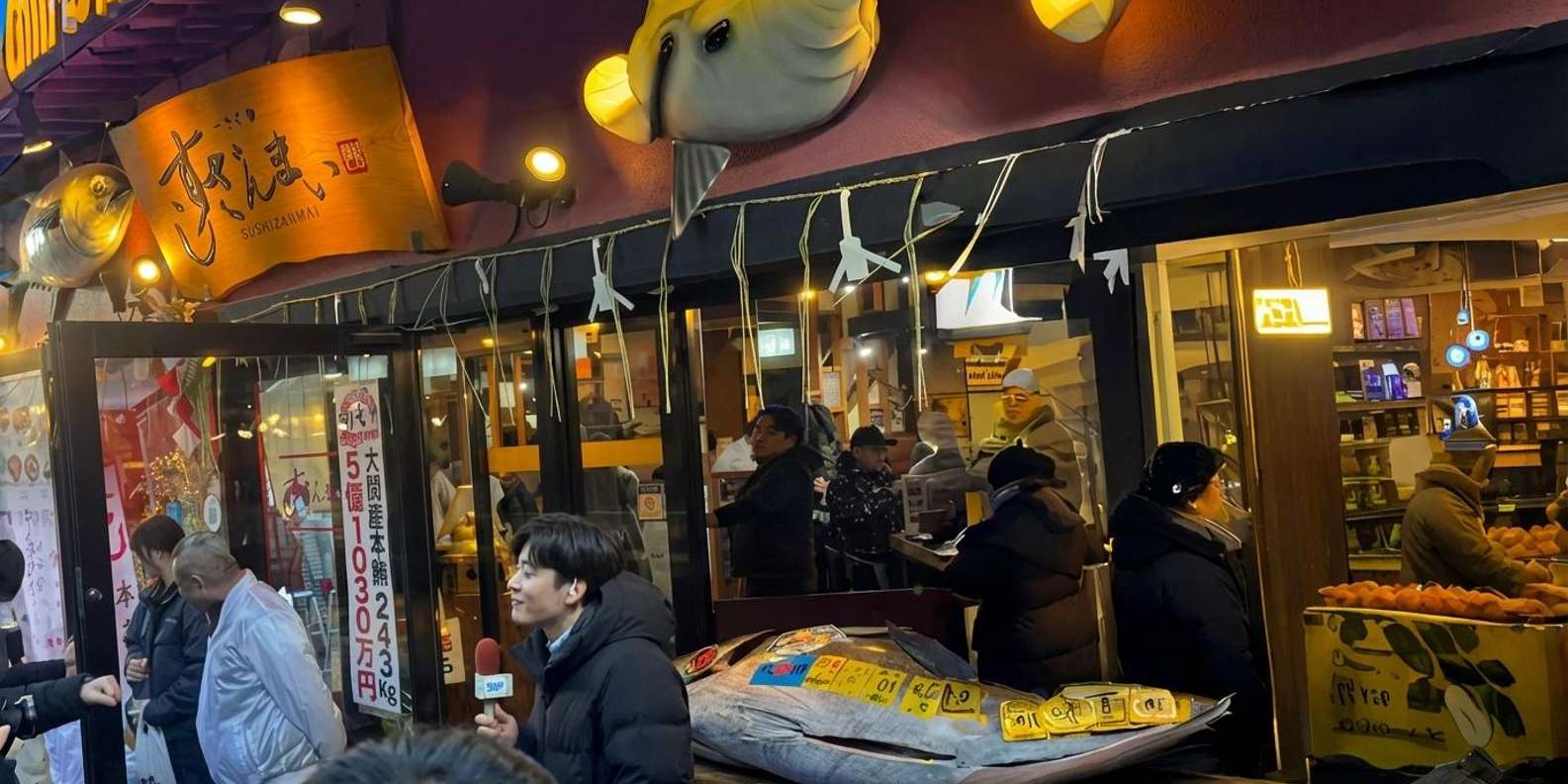
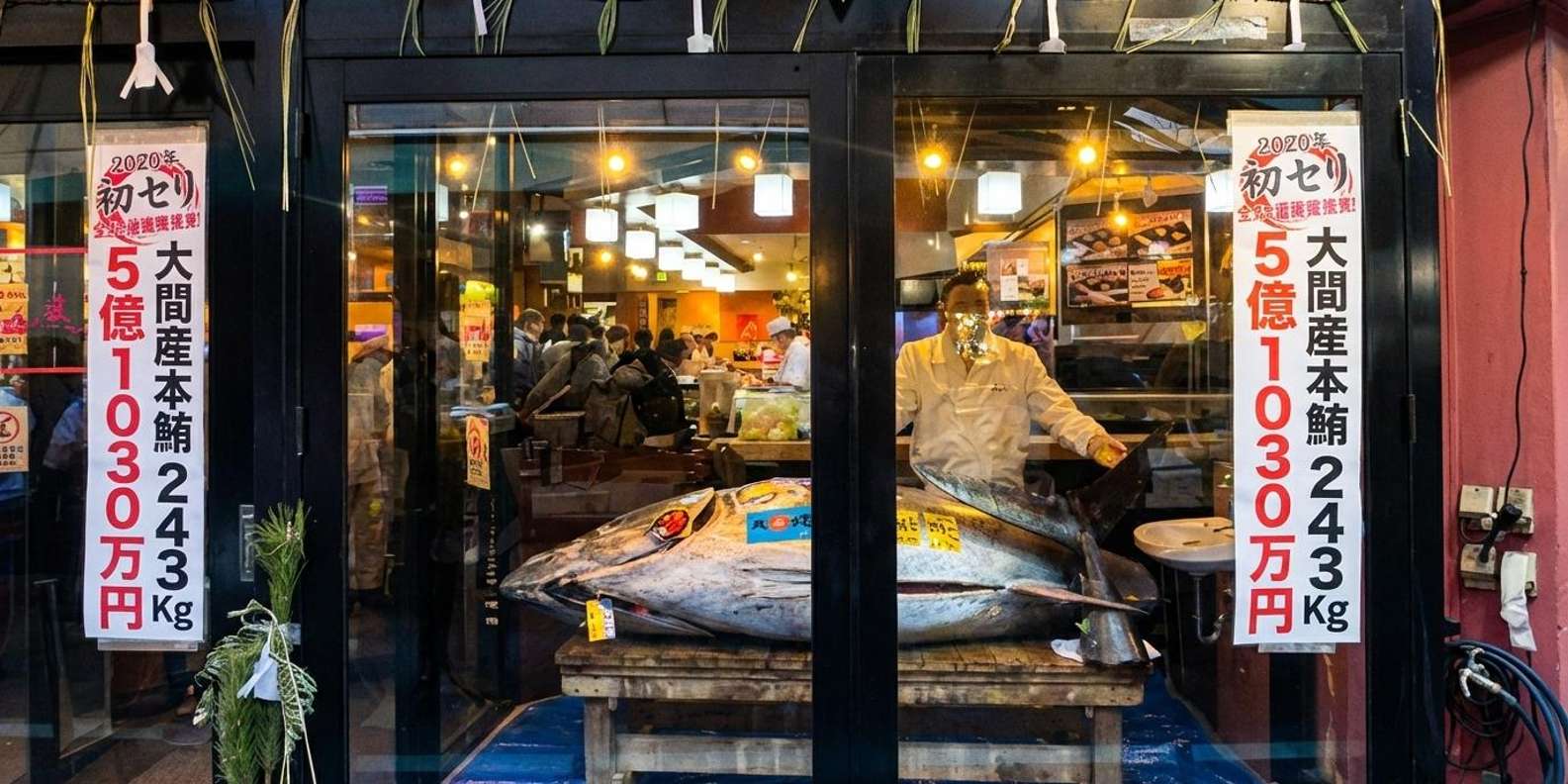
At Toyosu’s New Year auction on 5 January 2026, a 234kg Ōma bluefin sold for ¥510.3 million — about $3.2 million — the highest price ever paid. The buyer was Kiyomura, which runs the Sushi Zanmai chain and has won this ceremonial first auction repeatedly; its president said afterwards he had expected to get it for ¥400 million “but before we knew it the price was soaring.” The previous record was ¥333.6 million, set in 2019.
That auction happens once a year, in the first week of January, and the prices are ceremonial rather than commercial — a publicity ritual as much as a trade. On any ordinary Tuesday the fish in front of you will still be extraordinary, just not headline-extraordinary.
Already sorted for Toyosu and looking for the rest of your eating? Our Shibuya food tour covers the other end of the day, and the main Tokyo food tour page compares every option. Or check availability for this one.